Showing posts with label music reviews. Show all posts

Thursday, September 22, 2016

Music Review: Nick Cave and the Bad Seeds - Skeleton Tree

Nick Cave and the Bad Seeds return this year with a new somber and eerie album, Skeleton Tree. This is the band's sixteenth album since forming in 1983 in the aftermath of post-punk group The Birthday Party. While still retaining various undertones of the original post-punk influence, Nick Cave and the Bad Seeds tends to lean on a more experimental musical nature, melding with Cave's visceral lyrics that focus on religion, love, violence, and death. Skeleton Tree embodies the grief and death aspect, holding the perpetual emotional weight of loss overhead.
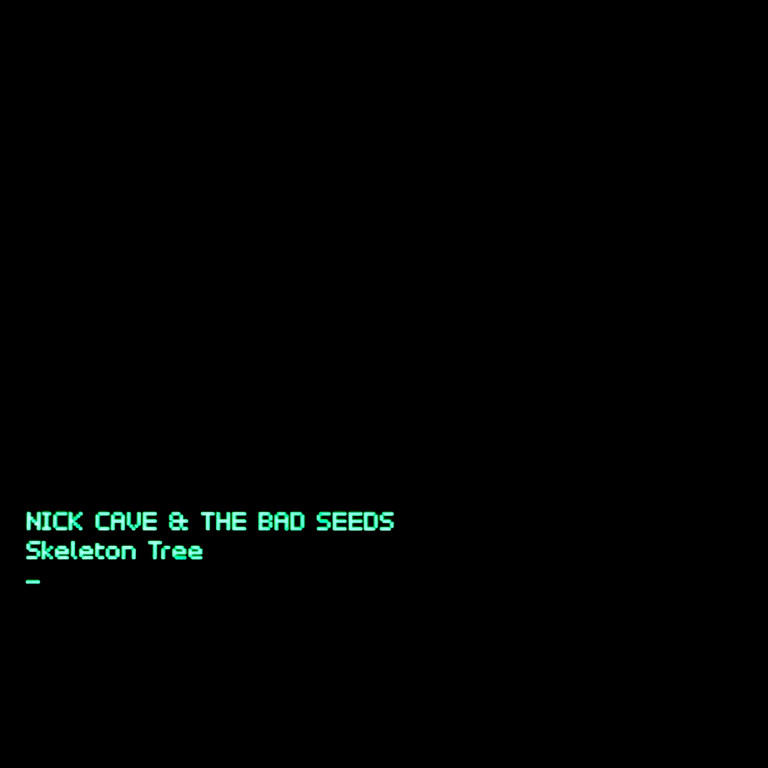
Skeleton Tree album cover
I have been hesitant on whether to review this album and how to present it. While most of the album had been completed prior to the sudden and tragic death of Cave's son last year, parts were re-recorded and re-written to reflect some of those feelings of inexplicable loss. Not to say that prior Bad Seeds albums are not heartfelt, but there is certainly a very personal tone to this one. It's Cave letting you in on some of the sorrow he's surely felt and expanding on the theme in ways he hasn't exactly addressed in the past. And how do you assess that objectively? You really don't. You can't. It's either a circumstance you've been through similarly and can therefore fully comprehend the wide range of emotion or it's something you've never been through and can only imagine and sympathize with.

Different from prior albums, Skeleton Tree is minimalistic in every sense - the album artwork is very basic, all-black with just the names on the front. Eight tracks comprise the album, which is about typical for a Bad Seeds album, but the tracks are shorter. There is no eight minute long opus on this one. Cave opts for a more reflective spoke-word tone instead of singing or bitter licks. The instrumentation on most of the album is peeled back - revolving mainly around piano chords and an acoustic guitar with some songs adding extra channels.

The album opens on the hair-raising "Jesus Alone." The track begins with an oscillating synth sound meshed to a distorted guitar that fades in and out, a solemn string arrangement tying it all together. Cave enters, soft spoken word lyrics reflecting on loss. "With my voice / I am calling you" repeats throughout, evoking the feeling of calling out to someone repeatedly, only to be met with silence, emptiness. The stage is set and there is no going back.

"Rings of Saturn" lifts the veil of sorrow that we have donned and presents a glimpse of light and realization - "And this is the moment, this is exactly what she is born to be." "Girl in Amber" brings us back to the reality of the situation, however. Linked to his wife in the album's documentary One More Time With Feeling, the song has a dual perspective feel - on the one hand, referencing a girl in amber who essentially goes through the movements without feeling them (possibly referring to Cave's wife and how she handled their son's passing in the immediate days following the accident). On the other hand, the song references a spirit trapped between this world and the next with Cave saying it's okay, you can go - "And if you want to leave, don't breathe a word / And let the world turn..."

"Magneto" and "Anthrocene" continue the journey we've embarked on, delving into Cave's mind. Minimal in nature, both showcase Cave's cryptic lyrical prowess and a contemplation on higher powers. The deeply reflective "I Need You" is the ultimate point of the album. Cave ventures to sing more on this song instead of speaking, bringing a heart-piercing vulnerability to the foreground. I was initially turned off of this song because Cave's voice isn't quite in the right key for this one, but I think that's part of the point - to be so emotional that nothing is quite right and the same anymore. If crying could ever be put into music, this is the song to do that. Maybe it's easy (and incorrect) to assume this song is about as personal as it gets, but you can imagine a tearful Cave directing parts of this to his wife (notably the first half of the song) and others to his son (the second half, largely), in both cases wrought with anguish - "I need you, I need you, I need you."

"Distant Sky" transitions much as "Rings of Saturn" did to take a look at the larger picture and find some means of resolution. Else Torp guests on this one, giving an almost lullaby feel, telling the spirit to rise and let go. The album closes on the brighter self-titled track with a glimpse of moving on - "And it's alright now." You'll never be the same, but there is life after tragedy. It will be alright now.

The album, even with its ambient leanings and stripped down nature, is beautiful. Even as it conveys the grieving process perhaps specific to Cave's situation, it's one that can easily be extrapolated to apply to anyone's grieving process - be it the loss of David Bowie at the start of the year, the loss of a friend, or, in Cave's case, the loss of a close family member. This isn't an album to be listened to in one sitting before forming a final decision. As I continue to listen to it still, my perception of the album keeps changing. There's a subtlety to it that takes several listens to become apparent. It's a strong album, but the tragedy in it is that it took such a catastrophic loss to birth it. My heart breaks all over again for the Cave family.

Monday, August 8, 2016

Music Review: Strap On Halo - Altar of Interim

2016 has been a busy year for Seattle-based goth rock group Strap On Halo. In January, the group released Prayers For The Living (an eleven-track album featuring seven brand new songs and four previously released songs that had been re-recorded and re-imagined). The summer was largely spent writing and recording a new four song EP, Altar Of Interim, and planning out a tour of both the US and Europe. And that only gets us to August!

Strap On Halo (L-R): Layla Reyna, Sean Rial, Marc Jones
Strap On Halo's prior work has melded elements of the original 80s post punk "goth" bands such as Siouxsie and the Banshees and lesser-known Xmal Deutschland with more modern sentiments from acts like Italy's Spiritual Bat, Skeleton Family, and the March Violets. The main trademark of Strap On Halo's music is the mixture of fancy guitar work from Sean Rial over the driving, yet subtle, bass lines provided by Marc Jones meshed to the always smooth and soaring vocal performance of Layla Reyna. With this backdrop in mind, we put needle to wax (metaphorically...this EP is not available on vinyl) and give it a spin.

The EP opens on "Perish" and immediately sets the tone for what's to come. The song has some parallels to Turkish darkwave band She Past Away (particularly "Sanri" off the first album) but with a stronger, more pronounced guitar riff that brings a tinge of early Sisters of Mercy to the plate. After a bit, Reyna's voice joins in, providing a textural contrast to the music. The change in lyric rhythm between the first and second verses works nicely (it caught my ear and made me go "oooh" when I first heard it). Without spending forever on just this one song, "Perish" certainly exceeds expectations and excels at drawing the listener in for more.

"Shiver" starts off with percussion only before the guitars enter, bringing a little bit of the early 80s Cure sound with it but heavier on the delay. Reyna's vocals again provide an interesting textural contrast to the music, being slightly succinct compared to the flowing guitar. A solid song in its own right, "Shiver" is closer in some ways to some of the prior Strap On Halo material.

Third on the EP is "Crimson Waves" which is closer to "Perish" in form and delivery. The music is very catchy and immediately sticks with the listener. Truly a song which melds the original goth wave with the new, this song is a gleaming example of how to keep the genre fresh without alienating its past. Without having anything further of merit to add to the discussion, I do hope this one makes it to the setlist.

The EP ends on "Fearless." Musically it's some mixture of Sisters of Mercy meets Christian Death infused with March Violets (you have that distorted guitar sound, the heavier/chunkier chords, but somehow its a lighter/happier...for being goth, work with me here...sound). Lyrically a bit more sinister than other songs, "Fearless" does hold true to the title by not holding back. An interesting song from a musical standpoint, it rounds out the EP on a very strong note.

Overall, yet another strong showing from Strap On Halo and a good combination of their signature sound with some new experimentation to boot. The group have just kicked off their Altar of Interim Tour of the US and stop by Double Wide in Dallas, Texas, on August 17. Tickets are still available, so don't miss out! In September, Strap On Halo go overseas for the first time to rejoin 2014's Near Dark Tour headliners The Last Cry for the Near Dark Over Europe Tour. There's no telling what will be next for these guys, so keep an eye and stay tuned!

Thursday, March 31, 2016

Music Review: Iggy Pop - Post Pop Depression

Iggy Pop, the godfather of punk, has been a longstanding treasure to the music world, actively making music for the last 45 or so years. From The Stooges, a group who were unbelievably ahead of their time and remain largely influential, to a rather long and illustrious solo career that has meandered over a myriad of genres - blues, garage rock, new wave, and even jazz. In spite of his popularity, most of Pop's recent solo efforts have mostly been overlooked, with 1993's American Caesar being perhaps the last Pop album the larger audience paid attention to. Post Pop Depression is Pop's seventeenth solo album and his newest album since 2012's jazz and blues album of French covers, Après. In what may be Pop's final album, Post Pop Depression brings out the best of Pop's long and varied music career.

Iggy Pop's seventeenth solo album - Post Pop Depression
Post Pop Depression partners Iggy Pop with Queens of the Stone Age front man Josh Homme (also providing the rhythm section for the Eagles of Death Metal), with musical contributions from Queens of the Stone Age's Dean Fertita and Arctic Monkeys's drummer Matt Helders. The beginnings of the writing process revolved around Pop and Homme sending lyrical bits back and forth before the two more formally decided to work together on a new album. Both musicians entered the recording studio in early 2015 with a series of partial songs, allowing them a framework to build upon together. The album itself is a bit of a retrospective journey as Pop looks back on his career and feels his utility is up and all that's left is the legacy. The album's title, Post Pop Depression, captures that looking back feeling and paints it in a somewhat bleak manner. Make no mistake, however. This album is not the dying final breath of someone who should have stopped years ago. Post Pop Depression is, in some ways, a parallel to David Bowie's Blackstar (appropriate as Bowie helped form Pop's early career by writing and producing parts of his first two solo albums).

The album opens with "Break Into Your Heart," a track with a wild west-esque musical vibe, drawing some inspiration perhaps from some of the Eagles of Death Metal work, laced with Pop's still strong croon. In fact, this may be the strongest Pop's voice has been in recent years, full of life, yet controlled. The perfect opening as the stage is set for this album to "get under your skin."

"Gardenia," the album's lead single, comes next, feeling a bit like a throwback to some of the early Ziggy/Iggy work the two pioneered in the 70s. While the song carries that 70s feel to it, there's still that modern, forward moving feeling that Pop has often tried (with varying levels of success) to build into his works. Here, the efforts pay in dividends. Built on one of Pop's usual lyrical themes of sex, "Gardenia" comes together in the right way so as to not cheapen the song (which can't be said about other recent efforts from Pop...I'm looking at you "DD's" from the last Stooges Album!).


Third track, "American Valhalla," revolves around a fuzz baseline that sounds very similar, though perhaps deeper, to Gary Numan's iconic bass/synth line in "Metal" meshed with "China Girl"-esque vibraphone overtones (perhaps another subtle look back?). Skipping over "In The Lobby" (a good song, just nothing terribly standout about it), we come to "Sunday," perhaps the strongest song on the album. "Sunday" combines electric guitar riffs from Homme with a classic disco bass line, creating a dancy little number, somewhat reminiscent of Bowie's 80s period (Let's Dance in particular). Immediately catchy, the song has an abrupt shift after the first four minutes into a classical soundscape. Often this is a transition that leads to utter disaster. Here, the orchestral outro is somehow fitting and pulled off expertly.

"Vulture" meshes a Spanish-style acoustic guitar with bitter lyrics surrounding the idea of death. Pop's vocals bring in an element of Native American peyote lodge and an odd paranoia where you can almost see Pop's eyes shifting nervously, looking for this vulture he croons about.

The most Stooges sounding track on the album, "German Days," brings in that heavy fuzz guitar and bass sound, but isn't matched with vocals of the same ilk. Instead, Pop opts to draw the words out over the fuzz. Certainly an interesting experience and a nod back to the stoner rock days of old.

The second to last track, "Chocolate Drops," is purely decadent (as the title might suggest). Piano chords take the center stage along with tubular bells and Homme's otherworldly falsettos. There is a freedom you can feel in this song, almost like you're flying and leaving behind the weight of the past. Between this and "Sunday," you have my favorite track from this album.


Closing track "Paraguay" opens with a gospel-esque spoken word. More than any other track on the album, this may be Pop's attempt at an artistic farewell, saying that he'll go "where sore losers go / to hide my face and spend my dough." Pop begins to reconcile with his past success and instead of being weighed down by it, he finds a way to let go, move ahead without fear, and go to Paraguay (mind you, not all of this is perhaps a literal account of what Pop plans for the near future, but it's the concept of separating yourself from your past successes so as to not tear yourself apart when you can't match that for whatever reason).

Pop has hinted in recent interviews that this may be the last of Pop's music career, but I hope not. This is Pop's strongest album in years and has the ability to stand fairly strong against even his most applauded albums.

Thursday, January 28, 2016

Music Review: Savages - Adore Life

London post-punk "revival" (so quoted because they sound and feel more like an original 80s UK post-punk group than the 2000s revivalist groups in the vein of Franz Ferdinand and the like) Savages have returned with a new album, Adore Life. The album follows on the heels of their very successful debut album, 2013's Silence Yourself.
Savages have released their second album, Adore Life
Silence Yourself carried a very traditional post-punk sound and aesthetic, drawing heavy influence from groups like Siouxsie and the Banshees and Joy Division. While a strong album, it was a bit light in the experimental nature that surrounded the original 80s post-punk genre. Adore Life brings that experimental nature to the forefront, resulting in a dynamic album that effortlessly navigates faster, traditional post-punk tunes through slower, ballad-like numbers, all without losing the listener or leading to the often ill-fated "never-ending-album-will-someone-please-turn-it-off" syndrome that over-experimentation can cause.

Adore Life opens with "The Answer," a distortion-laden song revolving around love and adoration. The song presents a larger focus with a driving bass line supplied by Ayse Hassan and a guitar solo from Gemma Thompson. The frantic guitar throughout the song strongly parallels singer Jehnny Beth's vocals with lines like "I'll go insane / Please stand up / What is the point?" which detail some of the struggle in determining how someone feels about you.
Savages. L-R: Fay Milton (drums), Jehnny Beth (front, vocals), Ayse Hassan (back, bass), Gemma Thompson (guitar)
"Evil" starts off with an interplay between Hassan and Thompson that sounds vaguely similar to Killing Joke's "New Cold War" from Pylon (2015), though minus the heavy distortion industrial-leaning sound. Fay Milton on drums rounds out this number, providing a solid background with minor layers of detail that enriches the song further.

What makes Savages, in my opinion, more like the original post-punk bands and less like the modern "revival" post-punk bands is how many of the songs are highly bass-driven. "Evil" is just one example with "Sad Person" being another. Bands like Bauhaus and Joy Division are largely loved on a music level due to this somewhat unique quality, where the bass and drums provide much of the meat and drive of a song with guitar adding little flourishes here and there.

The album's title track opts for a slower, more reflective tone, led largely by Hassan on bass. Beth's lyrics center around a question of humanity and whether the idea of adoring/valuing life is unique to people and contemplates on past actions and whether it was best to do those, even if they led to negative endings, resolving that even if you have regrets, you lived life, you adore life because you continue on.

Adore Life continues in much the same manner as the early songs, offering driving music matched to Beth's Siouxsie Sioux-esque vocals. Songs like "When In Love" and "Surrender" deserve additional praise, the first for one of Thompson's opportunities to shine on guitar, and the latter for a very synth-layered bass backing from Hassan that nods back to 80s new wave meets darkwave sentiments.

Savages are set to tour this spring in support of the new album, reaching Dallas on April 11, playing at Trees. With two strong albums under their belt, and perhaps the only band to play an amazing show at 8am on a Tuesday morning, this is not a show to miss. Tickets are on sale now and can be purchased here.

Friday, January 8, 2016

Music Review: David Bowie - Blackstar

Today, January 8, 2016, marks the 69th birthday of the Thin White Duke himself, Mr. David Bowie. And in grand style, Bowie celebrates his day with style - releasing his 25th studio album, Blackstar.
David Bowie's 25th album, Blackstar
Blackstar in many respects follows the map laid by its self-titled opening track - longer tracks on the whole, far less of an angry tinge as was heard on his previous album, The Next Day, and a far more experimental musical backdrop than certainly the previous album, but perhaps even more so than his actual experimental phase of albums in the 2000s before his ten year silence.

The album opens on the ten minute long opus, which we've reviewed previously. What still fascinates me most about this song is that it's effectively two songs separated by a musical semicolon - the first four-ish minutes being one song and the remaining six a similar, related, yet distinct song, yet it's all packaged into one.


One slightly annoying realization about Blackstar is that two of the songs had actually been previously released. The first of these, "'Tis A Pity She Was A Whore," was sadly not one that impressed me much to begin with (this and "Sue (Or In A Season Of Crime)" were previously released on the 10" Record Store Day limited vinyl for "Sue" while "Sue" saw a second release on the 2014 Bowie compilation, Nothing Has Changed).

"'Tis A Pity She Was A Whore" does receive a slight update from its 2014 counterpart, however. Where the early version was a barrage of sounds and essentially a wall of noise, nothing discernible, the music has now been cleaned up, vocals lifted above the music (previously they felt completely buried) and the jazz-influence dialed down a little (don't get me wrong - it's still very much there, but it is toned down a touch from the 2014 version). Still a peculiar song, the face-lift for Blackstar is a welcome sight.

Next is "Lazarus," the second single released ahead of the album and receiving the music video treatment. Whenever Bowie releases a new single ahead of the album, you often have to wonder if the album will sound like that. Often times, it won't, especially when looking at the first single. We heard that with The Next Day when "Where Are We Now?" was first released - a slow, retrospective number that we found out was like nothing else on the rest of the album. The second single, however, "The Stars (Are Out Tonight)" turned out to sound much like the remainder of the album. In that manner, so, too, does "Lazarus" follow that small pattern. A very smooth jazz-based song, "Lazarus" feels to me much like what early jazz-filled New York City may have been like (mentioning that bit only because Bowie sings about first arriving to New York City in this song). The song is slower paced, calmer even, and deep down in your stomach, a knot of anxiety begins to form. More on that shortly.

Following "Lazarus" is the redressed version of "Sue (Or In A Season Of Crime)." As with "'Tis A Pity She Was A Whore," this version is a much tighter, dressed down version of the 2014 release. Much of the original jazz work is reinterpreted and written to guitar now, instead of saxophone as previously. The move gives the song more vibrancy and drives it forward, reminding me some of the interplay between electronics and guitars found in songs like "Hallo Spaceboy." It worked well there and again works well here. If I had been iffy about this song before, this redress clears away the uncertainty for me.

"Girl Loves Me" is a turning point in the album, nodding back to "Blackstar" in some respects and showcases an angry Bowie as he yells out "Where the fuck did Monday go!?!" This is my personal low point in the album. The backing orchestral arrangements and the chorus melodies are interesting, as well as the constant vocal nods back to Anthony Burgess's A Clockwork Orange and the Nadstad language he created for the book. Still a good song, but perhaps the weakest of the lot and the low point of Blackstar.

"Dollar Days" has the feel of letting Mike Garson loose to write the entire music (Garson does not appear on this album, but they piano style is very reminiscent of his work...Jason Lindner does excellent work on this song in particular, but also throughout the entire album). A very jazzy song complete with Donny McCaslin roaring to life an amazing saxophone solo. And deep down, in your stomach once more, the knot begins to tighten.

Blackstar ends with "I Can't Give Everything Away." The song, a meeting somewhere between jazz and 80s new romantic sentiments, brings the knot to the forefront. I distinctly remember thinking this as this song played, and I hope I'm dead wrong. This almost feels like Bowie saying farewell. For real, this time. That Blackstar may be the final album. Goodbye, thanks for all the fish. This is pure speculation on my part - I've never met Bowie, never had the chance even to see him live. And certainly I hope I'm very wrong. But, this song in particular has a feel of "Let's go out on a high note, but without giving it all away." Outside of this speculation, the song itself is a lovely ending to the album, the sort of older gentlemanly goodbye you'd expect from saying farewell to a very old, long time friend.

David Bowie is among the few (and maybe even the only person) who can undergo such incredible transitions and still be rock solid in each of them. We'll keep following you, Mr. Bowie, and remain optimistic that this is far from the end. Now, if we could just talk you into a tour...or even some festivals! That'd be great...

Thursday, December 31, 2015

Favorite Albums of 2015

As 2015 comes to its close and we look ahead to 2016, it's time to do the cliched task of recollecting the albums released in 2015 that we enjoyed. These are not presented in any particular order, but these were some of my favorites. What were some of your favorite albums!?

Duran Duran - Paper Gods

Duran Duran - Paper Gods album cover
Duran Duran returned this year with Paper Gods, an album that proves they still have "it." The album is a rich combination of what Duran Duran was most known for in the new wave/new romantic period of the 80s mixed with a refreshing flourish of pop bravado common to today. Like many 80s bands, Duran Duran still falls victim to the trend of trying to rediscover themselves, failing on the first couple attempts, but then reclaiming that flame with the newest album. For Duran Duran, Paper Gods is the reclaiming album they and fans alike have been looking for. We'll have to see what comes next for the group, but hopefully this is just the beginning of a strong upward trend.


Chelsea Wolfe - Abyss

Chelsea Wolfe - Abyss album cover
We reviewed Chelsea Wolfe's newest album a while back and it has only continued to grow on our ears. Easily her heaviest album yet, Abyss is a concept album of sorts that revolves around the phenomenon of sleep paralysis. Dark, brooding, moody music set to guiding vocals characterizes much of the album. Not only is it the heaviest album by Wolfe to date, but it may well be the most solid. Given how great this album is and previous effort Pain is Beauty, the only place for Wolfe to go is up, regardless of whether the music continues to get heavier or is reigned back. Added bonus - the live show is really strong and Wolfe is such a delightful performer. You're missing out if you've yet to see her on the live stage.


She Past Away - Narin Yalnizlik

She Past Away - Narin Yalnizlik album cover
She Past Away returns with their second album, Narin Yalnizlik. The Turkish darkwave group (yes, Turkish, and darkwave, and lyrics in Turkish!) makes a strong showing on this album, experimenting more with sounds and textures than they did on their debut album. While on the whole I prefer the debut album, this one is not an album to snub your nose at. She Past Away keeps a firm hold on their 80s darkwave roots (similar in ways to Xymox/Clan Of Xymox), meshing broken Turkish lyrics to a lush musical backdrop. The group finally reaches the US for a couple quick stops in California early 2016, but this is hopefully just the beginning of the group's foray into the US.


Killing Joke - Pylon

Killing Joke - Pylon album cover
Another album reviewed earlier this year here, Killing Joke returned full force with Pylon. Easily their strongest album in years, Pylon meshes the post punk aesthetic Killing Joke helped pioneer in the late 70s/early 80s with heavy distortion and an industrial feel characteristic of the group's more recent efforts. Almost their highest charting album ever, Pylon may well be the best album of 2015, for me at least. The group tours the US in 2016, hitting Texas towards the end of January.


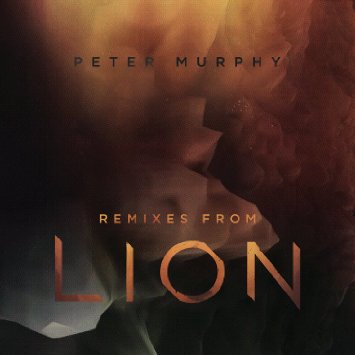
Peter Murphy - Remixes From Lion

Peter Murphy - Remixes From Lion album cover
It wouldn't be a year it I couldn't write something about Peter Murphy, now would it? The Godfather of Goth (I can see his eye twitching at me saying this, but I didn't pick the title!) released a follow-up album of unused material from the Lion sessions. Most of the remixes offer an interesting reinterpretation of tracks from the main album. Better yet, the album includes the previously vinyl-only track "Gabriel" in all its multi-layered glory and a very solid series of newly released "The Sound of Water" and the Youth remix of "Loctaine," the one remix I think I may actually like more than the original (though the original take of "Loctaine" is also very strong and a favorite of mine). 2015 was a strong year for Murphy, even if quiet, in a sense. In addition to the Remixes album, two live albums were also released (the full audio from the Mr. Moonlight Tour as one and finally an official recording of the House of Blues show from April 2000 via Cleopatra). However, Murphy only played a handful of dates in June in California. By all accounts, 2016 may be a very loud year for Murphy, starting with a major role in the upcoming psychological thriller BlackGloveKiller.

Sunday, December 6, 2015

Music Review: Strap On Halo - Ode to Krampus

Hailing from Omaha, Nebraska, Strap On Halo are one of the newer goth rock bands that holds on to many of the sentiments of the genre's 80s and 90s founders (being a healthy blend of some of the musicality behind Christian Death, Xmal Deutschland, Siouxsie and the Banshees, and even a sprinkling of groups like Skeletal Family and March Violets). But, often, the alternative music scene, especially the darker gothy side, isn't one that evokes feelings of Christmas. Surely, when December comes rolling around, we must don our all-black drab and hang black tinsel on a black colored tree with a raven for the tree's demented star? Strap On Halo's upcoming release, Ode to Krampus, reveals just how goth rock can tackle the spirit of the giving season.
Strap On Halo's Ode to Krampus is finally coming to vinyl in 2015
"Ode to Krampus" was originally recorded in 2013 but is now receiving a physical vinyl release for the first time. The song opens with a melancholy piano part coupled to a driving drum beat and a sprinkling of guitar work from Sean Rial. Layla Reyna's haunting voice enters the mix, beginning the ode to Krampus. The chorus is introduced with a gorgeously held note, "Run...as fast as you can." Musically, the sound of mystery and allure is retained, complimented nicely by the work of Marc Jones on bass - subtle, yet every bit as important as the vocals and driving piano.

The song continues on in this fashion, ending mysteriously enough after three minutes and change of play. Strap On Halo maintain their traditional gothic sentiments on this one, painting an auditory picture of the darker side of Christmas. While not everyone's cup of tea, this is one to surely make the goth in your family a little happier this season.
Strap On Halo. Left to right: Layla Reyna, vocals/drums/keyboards/arrangements, Sean Rial, guitar, and Marc Jones, bass
Ode to Krampus will be released later this month and is strictly limited to 25 copies which include a 3.5" round sticker and a handwritten lyric sleeve with the clear 7" vinyl itself. Pre-orders are now live through the Strap On Halo bandcamp site. The group will also be releasing their newest album, Prayers for the Living, in January of next year with a mini tour of the United States in the works. They're a fun live group and delightful people to talk to, so catch them if they come to a city near you!

Saturday, December 5, 2015

Music Review: Youth Code - Anagnorisis

Last month, I finally got to see Skinny Puppy live (in the event I don't write my thoughts on that show, it was purely amazing, theatrically and musically sublime from start to finish). Opening for them was a band I'd heard of, but hadn't listened to or seen before - Youth Code. Suffice to say, that night, the duo from Los Angeles won me over as a fan. They've also recently released a two song 7", Anagnorisis, that we'll look at today. The long and short of it all - this is a group that is going places and you'd be wise to keep an eye on them.
2015's Anagnorisis from Youth Code
Before getting to the music, allow me to say that the first thing that struck me was the make-up of the group - Ryan George taking on duties as programmer, synths, and mostly backing vocals and Sara Taylor taking lead vocals live (providing additional sampling and synths in the studio). Let this sink in. Can you name any industrial/EBM bands fronted by a woman? That night at the show, I strained to. Roughly a month later, I'm still drawing blanks. This is part of what makes this group so unique and begs the question - why aren't more women leading industrial bands? Because if Taylor is any indication, we women sure can KILL it!

Okay, personal anecdotes and musings aside, we look at Anagnorisis. The self-titled track opens with synths mixed with an audio sampling, starting light enough. As the song progresses, additional electronic elements begin to enter, even featuring a moving part slightly reminiscent of early Gary Numan before Taylor's gritty, caustic distorted vocals kick in. It becomes an instantly catchy tune and it's hard to not bop your head in time. As the song progresses, Taylor backs the screaming off, clearly resonating the lines "This is a trigger/This is despair." Afterwards, the song begins to fade out, dropping elements one by one until a white noise of sorts takes over, leaving the end fuzzy, broadcast out, so to speak.
Youth Code - Ryan George, left, and Sara Taylor, right
The other side holds "Shift of Dismay," a song that starts off musically as a mashup of Nine Inch Nails, Rammstein, Skinny Puppy, and Front 242 (as in very familiar in sound to some of the songs each group has made over the year, yet still distinct and unique to Youth Code). The song builds into Taylor's vocal entry, taking on a very militaristic marching feel meshed to biting industrial electronic undertones. After the first minute and a half, the song transitions, backing off the electronics slightly, and bringing in a brooding, echoing vocal cascade, creating a lavishly sinister tone that consumes the listener.

Last night the group played in Miami and it appears they may be taking a small break to round off the year, but keep an eye out for them next year. Looking to score Anagnorisis? Sadly, all three presses of the 7" have sold out, but you can stream them on Spotify and check out Youth Code's other work on their Bandcamp site.

Friday, December 4, 2015

Music Review: David Bowie - "Blackstar"

David Bowie. What is there to say about Bowie that hasn't been said before? His music over the span of his multi-decades long career has been as ever evolving and changing as his personal style and fashion statements. Truly, there is little Bowie can do wrong, having long ago mastered the art of mystery and the grace of drawing in fans with an allure that we still can't fully put a finger on. Through memorable characters like Ziggy Stardust and The Thin White Duke, Bowie has easily championed the art of personal branding. More so, very few (if any, to be brutally honest) artists can suddenly disappear without a single word, no hints, only whispers of "Is he? Will he? Can he?" murmured in dark shadows magically reappear in full splendor, picking up somehow where they left off, fans still there and eager for what comes next. That was Bowie in 2013 when, on his birthday of January 8th, his first new song in years came to life, bringing the shocking revelation that his first new album following a long and silent ten year hiatus, The Next Day, would be released very soon. And now, three years later to the date, Bowie will release his follow-up album to that immensely successful album - Blackstar. Among the tracks is lead self-titled single, "Blackstar."
David Bowie, 2015, still ageless as ever
"Blackstar" was originally born from a project involving Bowie and the British television series The Last Panthers, with the song itself serving as the title track for the show and being an embodiment of the characters and themes of the show. From that initial work, Bowie has ventured to create the entirety of this next album around that concept, mixing in earlier influences and crafting what may well be one of Bowie's less obvious and more peculiar works.

The near ten minute opus begins peaceful enough, a dancing guitar tune matched to a mysterious, almost ethereal arrangement. Bowie's voice enters, his ageless croon set in octaves, adding an element of mystique, for lack of a better word. The stage is set for something that makes you a little uncomfortable - it's the familiarity of Bowie, mixed with something a little sinister and unsettling, but you can't quite place it. You listen on, determined to figure out what it is.

There's an otherworldly effect to the beginning of "Blackstar" (which matches perfectly to the opening scenes of the accompanying music video). The song maintains its otherworldly ethereal pace as the video itself comes upon Bowie with his eyes wrapped in cloth and two black "pupils" attached, as if he were a blind seer.

Imagery in the video becomes progressively darker and more disturbing, from skeleton astronauts to figures moving as if they were seizing as they stood. All the while, the music retains its ethereal feel, mixing in a solemn saxophone. An odd mixture, yet still fitting.

As the first four minutes conclude, things slow down, the music drops to mainly a slowed drum beat, the transition mirrored by an unmasked Bowie in the accompanying video. Shed away is the mysterious music, filled instead with a more optimistic arrangement - hope. Gone, too, is the almost ominous feeling octave vocal harmonies, leaving Bowie's perfect, crisp voice instead. By this point, the music returns to a similarity of the Bowie of old - funk-inspired bass above a moving drum beat set to smooth vocals, mixed with sprinklings of piano and guitar almost reminiscent of The Next Day single "Where Are We Now?"

The remainder of the song continues in this fashion ending on a digital beeping sound much like the noise a robot in 80s television would make, demonstrating Bowie's refusal to make the same kind of song over and over, constantly changing and evolving. This is why Bowie can get away with a ten year silent hiatus and come back to being in the spotlight instantly. The one complaint? The post-transitional portion of the music video does Bowie no visual favors.

Blackstar the album will be released January 8, 2016. Pre-orders are live through David Bowie's online webstore and include limited edition lithographs and clear vinyl. What will be interesting to see is how the rest of the album shapes up. As was seen with The Next Day, the lead single was not a clear indication for the rest of the album's style and flow. Time will soon surely tell, but I think it's safe to say that whatever David Bowie has cooked up, it'll be great.

Thursday, December 3, 2015

Music Review: Killing Joke - Pylon

Killing Joke embody so much of what made late 70s/early 80s post punk amazing - brooding lyrics half sung, half screamed by a wide-eyed Jaz Coleman over a backdrop of edgy guitars and driving bass. The last couple of Killing Joke releases, however, seemed to have lost much of that strength that the band has been known for. This year, the group returned with Pylon. Long story made short - this may actually be one of their best albums ever.
2015's Pylon album cover
The groups previous efforts with the reunited original lineup (consisting of Jaz Coleman, Martin "Youth" Glover, Paul Ferguson, and Kevin "Geordie" Walker), 2010's Absolute Dissent and 2012's MMXII, were strong ventures in their own rights, but don't stand up as well compared to the prior efforts of the group. For as strong a band as they were, it seemed more and more that Killing Joke would be on a path of constantly trying to recreate the flame they once had in the 80s, coming close each time, but not quite fully igniting. With Pylon, the fire is finally burning strong and bright.

The album opens with perhaps my personal favorite, "Autonomous Zone." A catchy drum and bass driven number (love that small flourish of a bass solo lick Youth cranks out when everything else drops out), Coleman paints a picture of what humanity should strive for - end to war, but an end to mindless control, as well.

Pylon then winds through songs like distortion-laden "Dawn of the Hive," which carries the auditory equivalent of a beehive and playing follow the leader blindly, to the absolutely relevant, brooding "New Cold War," which outlines some of the recent tensions between the West and the East.

"Euphoria" loses much of the industrial distortion of the prior tracks, instead donning more of a new wave feel and lacking the yelling Coleman was known for. Instead of sticking out awkwardly, however, the song provides a nice transitional point in the album, signaling a change of pace from the driving beats of the first few songs to the slower riff-heavy songs like "New Jerusalem" and "War on Freedom."

The album wraps up with lead single "I Am the Virus," a driving more punk-styled number set to Coleman's chant-worthy yells, helping wrap the album in much the same way as it began. "Into the Unknown" officially rounds off the album, guitar-driven, yet smooth, clean, and certainly catchy, leaving the listener anticipating more, but being left on that cliff hanger ending with nothing further to fall on.
Killing Joke's original lineup. Left to right: Martin "Youth" Glover, Jaz Coleman, Paul Ferguson, Kevin "Geordie" Walker
Of this year's offerings, Pylon may well be at the top of my list. It's every bit as much a classic nod to the old Killing Joke mixed with a healthy dose of new ideas, emerging as one of their strongest albums to date. Killing Joke begin their tour of North America in January. The group will play here in Dallas at the Granada Theatre on January 21, marking the first time in 22 years that the band has visited North Texas. This is not a show to miss. Tickets are on sale now through the Granada Theatre's ticketing site.

Thursday, September 17, 2015

Music Review: Public Image Ltd - What the World Needs Now...

John Lydon (perhaps better known by his punk stage persona Johnny Rotten) founded arguably the first post punk outfit in 1978, Public Image Ltd, after punk rock essentially met its ill-fated and rapid end with the death of fellow Sex Pistols bandmate Sid Vicious (okay, there's much more to the story than just that, but as far as the genesis of Public Image Ltd is concerned, that was the defining moment). Public Image Ltd (PIL) return in 2015 with their tenth album, What the World Needs Now... and it's a doozy.

Album cover for What the World Needs Now...
Part of what made the post punk genre a lasting and highly influential one was born out of the blank void punk left behind in the late 70s. Punk challenged the boundaries of what "music" meant and served as a means of expression for working class youth faced with rough world economies and questionable, at best, futures. Without getting into an extended discussion of punk's beginnings, rapid dissolution, and the rise of post punk, understand that the music industry shifted perspective in the 70s and that post punk was born in a period where extreme creativity was highly encouraged. Punk showed the world that you didn't need to have any particular training to be a musician - anyone with the desire to express themselves and play music could, and should, do it.

PIL from its very inception was one of the bands at the forefront of this limitless musical landscape. Where the Sex Pistols followed in traditional punk rock bravado (power chords and anarchist-leaning lyrics, typically speaking), Lydon took PIL to a very different space, welcoming a slower tempo and more innovative music led by a heavy bass sound and coupled with Lydon's distinctive, bitter snarl.

John Lydon at Fun Fun Fun Fest in Austin, Texas, back in November 2012. Despite the interview and stage antics, he was very nice to talk to, though short of words at the time.
With this brief overview in mind, delving into What the World Needs Now... is like taking that rich past and setting it on fire. This is an album that has vastly deviated from so much of what originally defined PIL that it's hardly recognizable as a PIL album. Even Lydon's typical jabbing half singing, half yelling affair is greatly lacking in this latest showing.

What the World Needs Now... opens with lead single "Double Trouble." This number is characterized by a rather drab mixture of guitars and drums, nothing standout musically. Lyrically, Lydon seems to have strung together a series of random words with the only requirement being that the lines rhyme. The subject matter, apparently based around an argument Lydon had with his wife about a plumbing issue, leaves little to the imagination and is perhaps the negative side of an artist crafting lyrics around personal anecdotes.

Songs like "Bettie Page" and "C'est la Vie" had the subtle sparks of being great songs, at least where the music is concerned, but were met with lackluster lyrics and a run-on of garbled vocals that hardly hearkens back to the style Lydon is most known for. If one didn't know better, they'd ask if Lydon even was the singer for most of these songs.


"Spice of Choice" interrupts the opening rubbish of the album and proves to be a surprisingly solid track, capitalizing on an interesting guitar lead and a strong vocal showing from Lydon who finally proves that he still has the same talents which first catapulted PIL to instant success in the 80s. This high point is immediately dulled with follow-up song "The One" which more closely resembles a lost b side for Three Dog Night than a PIL song with its bass driven shuffle step feel and semi whispered singing vocals from Lydon. The song itself isn't bad, but feels out of place when compared to the typical backdrop of a PIL song.

Eight minute opus "Big Blue Sky" starts with a dominant bass line, only to be caught in a far overdone circle of repetitious loops and tired choruses. This was a song nearly doomed from the start, never finding a true calling and purpose, and the eight minute length only adds further insult to injury.

The last of the album surprisingly comes to life and finds direction. "Whole Life Time" brings the tide back around, with a funk-esque inspired bass line leading the way, a musical high point to the album. The style continues on into "I'm Not Satisfied" which almost has a parallel feel to one of PIL's most popular songs, "(This is Not a) Love Song" with a similar repetitious lyric that the rest of the song is built around. The album is rounded out with Lydon answering minimally what it is the world needs now: "Another fuck off." More aptly, what the world needs now is for Lydon to find direction for this reincarnated form of PIL.


Perhaps much of this latest offering from PIL was intended as a joke, but it's one that never reached the punchline. In a time where older bands are reuniting and putting forth new albums to stand beside their old glories, PIL goes the way most of these bands are going - dismal, at best, results with songs that never fully form a direction. Lydon's vocals try to save several of the musically lackluster songs, but even his voice has its limits. Perhaps a stronger showing than their previous album (2012's This is PIL, the group's first new album in twenty years), but certainly a far cry from what PIL once was. Lydon will need to take a much closer look moving forward. If this was meant as a joke album, it's time to grow up and either create meaningful work once again or stop taking the fans for fools who will buy anything. Not an impressive showing in the least. Sorry, Johnny.

PIL begins an extended tour to support What the World Needs Now... on September 18, 2015 in Glasgow. The group reaches the US in November, but no tour dates in Texas have been announced as of yet.

Wednesday, September 16, 2015

Music Review: Chelsea Wolfe - Abyss

Chelsea Wolfe returns with her newest experimental art-meets-rock album, Abyss, building on the successes of prior albums like Pain is Beauty (2013). Those seeking the short form need look no further - Abyss is another strong showing from Wolfe and you would be reminisce to merely dismiss it as art rock noise.
Chelsea Wolfe - Abyss (2015)
Nailing down Wolfe's work depends largely on which album you choose to listen to - from experimental post-industrial sludge to deeply brooding neofolk with nearly everything imaginable between, Wolfe has consistently gone for complete artistic freedom and an unwillingness to do the exact same thing every time.

Abyss is easily the darkest of her albums yet, and the first to truly bring to the forefront the flecks of metal genre influence that have been sprinkled sparingly in past albums. Where it was a subtle hint adding to the rich musical landscape in the past, those tones now growl to life as a barrage of doom and gloom guitar distortion that can only be described (by me, anyways) as industrial sludge (said with full affection and praise).

Chelsea Wolfe has always walked the fine line of goth aesthetic without plunging fully into it musically. That all changes with Abyss. Photo by Johanna Torell.
Another refreshing twist in the landscape of Abyss is an immediacy with each song. Wolfe's vocals are, as always, spot on and powerful, even as they serve in stark contrast to the music (clear perfection against a backdrop of sinister distortion). These are songs meant to be immersive from the start, not taking their time to build and grow into something. Where Wolfe's prior work certainly carries that indie "take it or leave it" feel, Abyss comes off being the first album to truly draw in the less musical savants among us.

Abyss, based around the concept of sleep paralysis, opens with "Carrion Flowers" and immediately throws the listener into that panic state of being unable to wake up, fighting to escape, before lightening up towards the end, resembling a moment of briefly waking and escaping the dream. As "Iron Moon" begins and immediately returns to that harsh panicked state, we lapse back to sleep and find ourselves surrounded by the nightmare once again. Other tracks of particular notice include "Dragged Out" with a particular haunting, ghost-like quality at the end, "Grey Days" for its more reserved feel and driving cello as Wolfe sings about the River Styx, and "Color of Blood" for its initially gloomy and persistent moody atmosphere molded around Wolfe's notion that we should all "Grow old, let [our] hair grow."


Throughout the album, Wolfe serves as the guiding light through the periods of unease, wakeful fits of hope, and vast depths of darkness. In the deluge of post-80s "gothic rock," so much of what is called goth has become mired in terrible cliches and drab (no pun intended) melodramas, perpetuating ages old stereotypes that none of the original art-meets-glam-rock bands would have endorsed. Wolfe brings the artistic expression back by creating a musical embodiment of sleep paralysis through a combination of visual lyrics, rapid shifts in music from panicked and schizophrenic to calm and comforting in the blink of an eye, and a voice to guide the dreamer through the nightmare they've embarked. Though not strictly a concept album, Abyss does a near flawless job of transforming the listener from start to end. While it won't be everyone's cup of tea, this may easily be Wolfe's strongest showing to date. And if her attitude is any indicator, this is just the beginning of what will surely be a long and lasting ride.

Wolfe returns to Dallas (fun fact, Abyss was actually recorded here in Dallas) at the Kessler Theater this Sunday (September 20,2015) with Wovenhand as openers. Tickets are on sale now (purchase tickets from the Kessler Theater). By all accounts, this won't be a show to miss.

Tuesday, September 8, 2015

Music Review: Siouxsie Sioux - "Love Crime"

It's been a long time (general business with a long term web project I've undertaken and going back to school), but some of you have asked, and so here I am with a new addition to the music reviews! It's been a major buzz topic these last couple weeks, but today we'll look at Siouxsie Sioux's latest musical offering, "Love Crime."

Siouxsie Sioux

For those who follow the post punk genre as I do, the name Siouxsie Sioux is unmistakable. She is to the post punk world what Elvis Presley was to rock in the 50s. Always one for a distinctive style, be it in physical appearance, musical style, or witty comebacks during interviews, Sioux has always embodied a particular penchant for reinvention in each music project she's endeavored. From the seminal work as Siouxsie and the Banshees, arguably one of the defining bands of the 80s British post punk offerings, to the percussive-heavy project The Creatures, to an eclectic yet familiar powerful first solo album, Sioux is perhaps one of the very few artists who does great things regardless of the project, having yet to make a large musical mishap.

As it were, following a strong debut solo album (2007's Mantaray), Sioux would essentially drift off into the shadows, making small appearances here and there as a reminder that she's not gone, just hiding. Brooding. Much with David Bowie's mysterious ten year hiatus, Sioux would seemingly vanish for approximately eight years. After all that time, the "Ice Queen" returns with a new song, "Love Crime."

Brian Reitzell

Sioux, a fan of the television series Hannibal, was tapped by Brian Reitzell (former drummer of Redd Kross and current musical supervisor and composer for the Hannibal series) with the suggestion of a collaboration. Sioux immediately agreed and inquired what the final season would more or less be about - a love story, as it were. Sioux began writing lyrics without having seen any of the final season or receiving any major details on the overall plot line. What resulted was "Love Crime," the first song Sioux has written and sung in roughly eight years, and possibly the first of many in a line of collaborations with Reitzell.


The song itself is on the slower side, reminiscent in some cases of 1992 Banshees hit "Face To Face" (featured in Batman Returns). It is an eerie song, driven by drums, violin, and bass, before a moving guitar section kicks in behind Sioux's ever refined and spotless vocals. Though cliched as it may be, Sioux is a perfect example of how age can make the voice even stronger and richer than it was already. Listening to this song literally gave me goosebumps. It's a glimpse into what Sioux could have been doing all these years, but has kept pent up instead, evolving and growing into an incredibly strong first showing in eight years. Not that Sioux needs my approval or anyone else's, but "Love Crime" makes a strong argument for her full return to music. Let's just hope that future collaborations between her and Reitzell find their way to a music release...and sooner rather than later.

Wednesday, May 21, 2014

Music Review: Peter Murphy - "I Am My Own Name"

It's been ages folks, but we're back with more music and show reviews for your reading pleasure. A little late to the bandwagon, surely, but as a welcome back to everyone, today's Music Review will be on Peter Murphy's second single off of Lion, "I Am My Own Name."

Peter Murphy, 2014.
Murphy approaches Lion from an interesting standpoint - it will be his tenth album (ninth studio), the follow-up to his successful rock monster Ninth (his prior work has categorically fit under pop rock where Ninth became his first solo album to firmly grasp the rock field and take it by force), and an album born mostly during a time where the singer revisited the vast catalog of his original band, British post-punk act Bauhaus.

"I Am My Own Name" is a healthy dose of everything you expected given the above (a very gutsy, complicated mesh of emotion and freedom), and yet Murphy surprises the listener by throwing in something utterly new and foreign - synthesizers in a Numan meets Reznor-esque produced dance track for the dispossessed.

The song opens with moody electric violin work from current bass guitarist and violinist, Emilio "Zef Noise" China. In a style that classically eludes to the Middle East (which Murphy, who has called Turkey home for the last roughly 20 years, has done on nearly every album, both subtly and dramatically), this soft introduction begs the question of "What is he doing? What does Murphy got up his sleeve?"

The vocals then kick in, smooth at first, but then with an edge, a harsh scream as Murphy declares that he is "[his] own name." The song then gains in tempo, guitars and drums starting as Murphy tells his story of who he is and is not, merely to say that he is his own name, for what that may or may not mean.

"I Am My Own Name" lyrically appears to focus on some of the recent naysayers who have criticized Muphy both professionally and personally. Some such lyrics include at the beginning "No thin Pixie/white and drawn/no shaded shadow...no jaded shock star..." (Apologies for any errors in the lyrics as they've not been published and this is a best guess) The first part about not being a pixie could be a reference back to the Bauhaus song "Crowds" which has the line "A slim Pixie, thin and forlorn," suggesting that he may not be so innocent and gullible, in a sense, as he was when younger and also not depressed as many have been led to think (also in line with the upbeat tone of the music). "No shaded shadow" to perhaps mean he is no longer going to "hide in the shadows" and not do certain things because it is frowned upon, and not a jaded shock star as there is more value in his work than just going for the easy shock that many stars today try for.

Whether these interpretations hold any merit is, of course, unclear. However, Murphy takes us down an interesting journey with this song, proving once more that he can do something incredibly different, yet still make it his own without alienating the listener. One thing is for certain with this song - if it is performed live and no one is moved by it, either physically or emotionally, nothing will move them.


Lion, produced by Killing Joke's Youth, roars to life June 3rd. Murphy kicks off his North American tour to support Lion June 9th in New York and will visit Austin July 29th at The Belmont (regular and VIP tickets on sale now). Finally, Murphy is in the middle of a Pledge Music campaign to fund the release of a live DVD from the Mr. Moonlight Tour. Check it out here and support today!

Friday, October 18, 2013

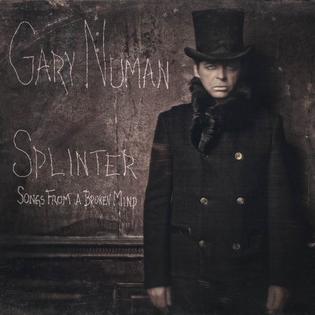
Music Review: Gary Numan - Splinter (Songs From a Broken Mind)

Today's long awaited Music Review will be over the newest album from new wave/synthpop/electronic musician Gary Numan, 2013's Splinter (Songs From a Broken Mind).
Cover art for 2013's Splinter (Songs From a Broken Mind)
Gary Numan is perhaps best known for his work over the years in pioneering electronic, and to some extent, industrial music. His more recent albums have taken on a darker, heavier tone, but instead of being a one-trick pony, Numan constantly improves upon his style, bringing something new each time around. Splinter (Songs From a Broken Mind) sees Numan once again setting the bar high, and even far exceeding expectations with an album that may come (dare I even say it) in time to be his biggest yet (it certainly is already his best in more recent years, though not to say the other newer albums have been terrible).

Splinter (Songs From a Broken Mind) is Numan's first album since 2011's Dead Son Rising (though most of the songs were from old demos from prior records, so some people consider 2006's Jagged to be Numan's prior album of new material). While this new work was not immediate in release, it perhaps speaks to so much of what has kept Numan preoccupied in the interim. Regardless of whether or not the album is an introspective look at Numan's life these last few years (which has included very personal struggles emotionally, health concerns especially with his wife more recently, and the challenges of becoming a parent three times over, among others), the album exudes the feelings of what remains after the mind breaks, the splinters and shards that one tries to put back together to create some semblance of reality and even the desire to go back in time and prevent this shattering from happening in the first place.
Gary Numan signing lithographs to be sold with bundles for the new album. He took this photo and posted it up on his official Facebook page.
This album melds much of the signature electronic sound Numan has been known for over the years. Fans of his early work with the Tubeway Army will be able to recognize a distant similarity between those songs and Splinter, though some digging through the layers is necessary. Others will quickly find a close similarity between Splinter and much of Trent Reznor's work with Nine Inch Nails (a band Numan has revealed to be one of his major, recent influences that has helped contribute to the darker sound his last few albums have included).

Stand out songs on this album include the heavy synth number (where you can  feel some of that old Tubeway Army style come forward) "Everything Comes Down to This," the first single off the album "I Am Dust," the softer ballad-like "Lost" that proves the turning point in the album and speaks to the title of the album, and the insanely catchy synth/industrial song "Love Hurt Bleed."

Numan is currently touring lightly in the US, opening for Nine Inch Nails in Florida at the end of the month, before heading off to Europe for some additional dates. Hopefully this is just the beginning of a major tour to support this new album as it is surely a treat to see Numan in action on a stage. If you happen to be near a stop on the current tour, you should definitely check it out.

Rating:

5 out of 5

More Information: Official Site of Gary Numan

Wednesday, September 18, 2013

Concert Review: Cold Cave (9/15/13)

Sunday (September 15, 2013) marked the return of the experimental synthpop and darkwave project of Wesley Eisold, Cold Cave, to Austin, Texas. Cold Cave has visited the Live Music Capital of the World previously, but as Eisold pointed out during their hour long set, this was their first time playing a headlining show in the city.
Wesley Eisold of Cold Cave. Image from the Brooklyn Vegan website.
The show took place at one of Austin's established Red River District music venues, Red 7, to a near sold-out crowd. Douglas J. McCarthy of Nitzer Ebb fame served as the night's opener, playing selections from his first solo album Kill Your Friends (released in late 2012). Accompanied by Cyrus Rex on synthesizers and programming, McCarthy's solo work deviates from the post-industrial and EBM sound that Nitzer Ebb helped pioneer in the early 1980s, taking on a more synthpop and electronic feel that results in songs any dance club could play and get people to dance to. The crowd bopped around to the music as McCarthy sang each note with clear precision and danced manically on stage to tunes like "Evil Love" and "Move On." While McCarthy is a well respected musician for his work in Nitzer Ebb, his solo work does leave a little more to be desired, with programmed beats that sound similar across his songs and most songs featuring the same few lines of lyrics repeated throughout. As an opening act, McCarthy got the job done and kept the audience engaged.
Douglas McCarthy. Image from his artist page on Last.fm.
Cold Cave took to the stage just shortly after 11:00pm. Over the years of different touring cycles, Cold Cave has endured several renditions, from full bands performing, to just Eisold (who is the sole consistent and contributing member to the project) and a person on keyboards. The night's lineup featured just Eisold on vocals and current girlfriend Amy Lee (not to be confused with the Amy Lee of Evanescence fame) on synthesizers.

The set began with catchy beats and interesting visuals on the screen behind Eisold and Lee, instantly lighting the crowd on fire. The second song of the night, "Confetti," was met with much dancing and singing along (a video someone took of the song is posted below). Roughly halfway through their third song, "God Made the World," the show took an interesting turn when technical issues popped up, causing the music to cutout and bringing the show to an abrupt halt. After a few minutes of Eisold, Lee, and a worker at Red 7 trying to resolve the issues (with Eisold trying to crack some light jokes into the mic for the crowd), the duo decided to give up on the visual aspect of their performance as that seemed to be the only way they could get the music to play again.

After the minor mishap, the show continued on with a strong performance from Eisold. Lee contributed backing vocals on several songs in addition to working the synthesizer that helped tie the songs together quite nicely. The crowd danced along and shouted out the lyrics as Cold Cave played several of their newer songs, including from 2011's Cherish the Light Years "Confetti," "Burning Sage," and "Icons of Summer." At one point, Eisold asked the crowd what they'd like to hear. Amid shouts for "Confetti" (which Eisold told the crowd had already been played and smiled lightly at everyone for perhaps missing that amid the technical issues earlier in the night) and "The Great Pan is Dead," Eisold selected a request for "Underworld USA" which ignited the crowd more so than they had been before (a video of "Underworld USA" and "Icons of Summer" that someone took at the show is posted below). After about an hour long set and a small encore, Cold Cave left the stage for the night.

On the whole, the show was great through and through. McCarthy gets the job done as an opening act, but there are moments when it feels like he's trying too hard to simply be himself. He's Douglas McCarthy - he doesn't need to prove anything to anyone. True to form, he was spot on vocally and kept the crowd engaged, even if some of his dancing was more interpretive than anything else. And while technical issues forced Cold Cave to drop their visual effects, both Eisold and Lee do a sound job engaging the audience and performing with a raw emotion that left the audience simply wanting more. The visuals would have been a nice compliment (before they cut out on "God Made the World," the visuals would dim and brighten in rhythm with the synthesizer), their lack certainly didn't make the show less worthwhile.

Cold Cave wrap up their North America tour with Douglas McCarthy Friday night in Los Angeles at The Echoplex and are set to play two dates in Russia in November. Check out their recent 7" releases for "Oceans With No End," "God Made the World," and "Black Boots." A new album, tentatively titled Sunflower, is slated for release sometime next year.


Ratings:

Douglas McCarthy - 3 out of 5
Cold Cave - 4.5 out of 5

More Information: Official Site of Douglas McCarthy Official Site of Cold Cave